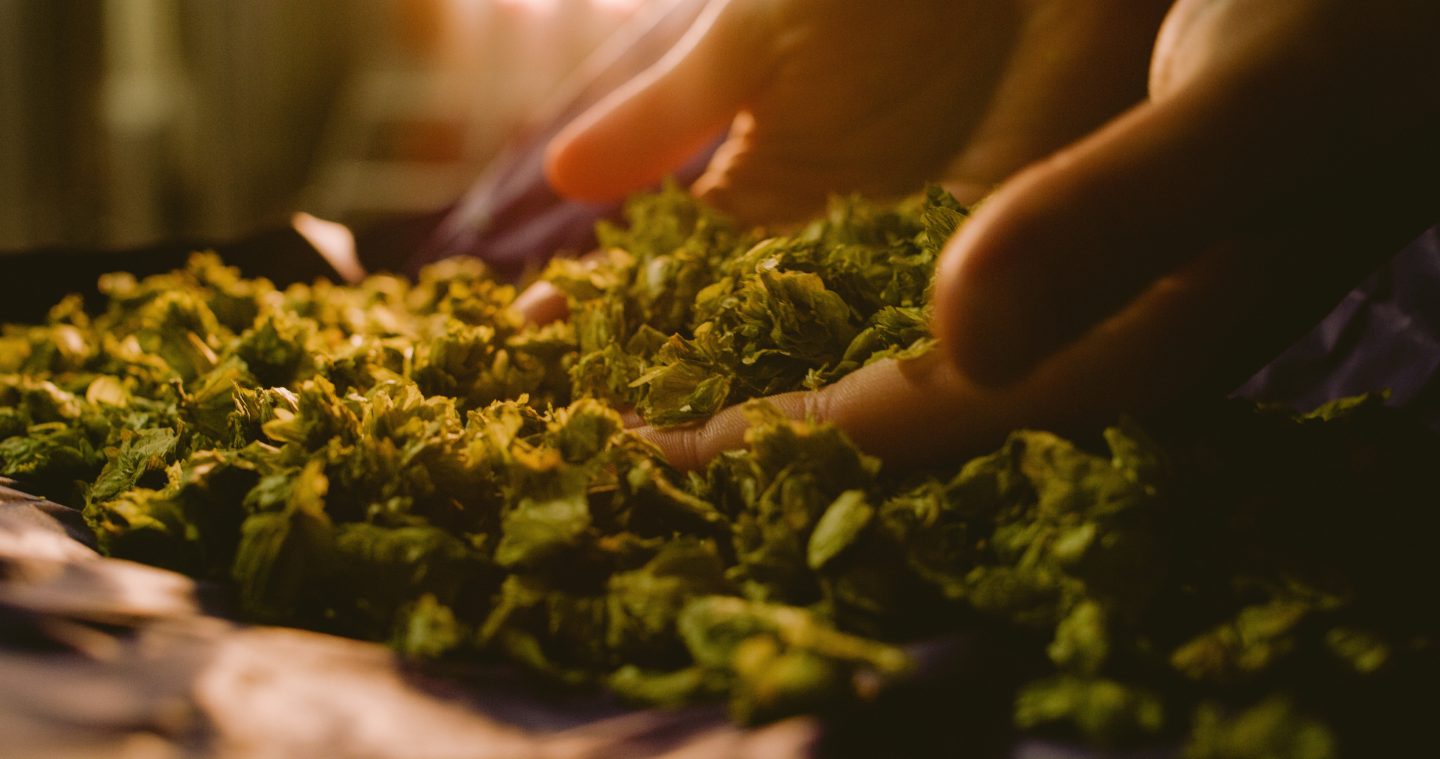
Agriculture delivers great ingredients for our high-quality beers. But climate change and biodiversity loss demand a fresh approach. That is why Duvel Moortgat plans to step up its investments in regenerative agriculture. What is it, why should we care, and how are we taking action?
We asked Sustainability Director Peter Willaert.
1. What is regenerative agriculture?
Peter: “Regenerative or sustainable agriculture uses techniques like agroforestry, cover cropping, composting, minimal tillage, or crop rotation to ‘regenerate’ or improve the health of soil. This makes crops more resilient to both droughts and heavy rainfall.”
2. Why does it matter to brewers?
Peter: “Drought and floods are becoming more common with climate change. That threatens crop yields and, in turn, our ingredients. By supporting regenerative practices, we’re building a more resilient supply chain that better withstands these risks.
Moreover, regenerative farming also fosters biodiversity. That means fewer pests, fewer diseases, and, again, better resistance to climate shocks. In other words: healthier, more productive fields, and more stable harvests. Last but definitely not least, it reduces climate impact, as it stores carbon in the soil, lowering emissions.”
3. How will Duvel promote regenerative farming?
Peter: “Our goal is to gradually raise the share of ingredients sourced from regenerative agriculture, starting with malt. We aim to source 40% regenerative malt by 2030. We started in 2024, buying 300 tons of low-carbon malt from one supplier and signing the first contracts with others. That should help us source 10% regenerative malt by 2026, leading to substantial carbon savings.”
4. What is needed to make this transition work?
Peter: “This transition doesn’t happen overnight. We need pilot projects and regional research to understand which regenerative practices work best in specific local conditions. Most importantly, we must support farmers, technically and financially, through the shift.
Of course, this is a major investment, but early studies show that regenerative farming also benefits the farmers themselves, as it leads to lower input costs and higher yields over time. That’s why we’re stepping in as an early adopter. By proving it works, we hope to bring the rest of the sector along, including those who are slower to move.”